

About
Strategic Scientific Writing
Scientific publishing is more than a dissemination activity: it is a strategic capability that strengthens scientific credibility, fosters innovation and amplifies the impact of research across healthcare and the pharmaceutical industry.
Successfully navigating the publication process requires not only strong scientific content, but also a structured methodology, a clear publication strategy and a thorough understanding of ethical and editorial requirements. From manuscript planning and journal selection to peer review and post-publication visibility, each step plays a critical role in maximizing the value of scientific evidence.
This highly practical course combines international guidelines, real-world examples and interactive exercises to provide participants with the tools and confidence needed to manage every phase of the publication journey. The program is designed to deliver immediately applicable skills that support effective, ethical and impactful scientific communication.
Programme
Part 1 – Foundations of Scientific Publishing
- The role and impact of peer-reviewed publications in research, healthcare and the pharmaceutical industry
- Overview of the scientific publication process and key stakeholders
- Good Publication Practice (GPP) and ICMJE guidelines
- Ethical principles: authorship, sponsorship, transparency and conflicts of interest
Part 2 – Building an Effective Publication Strategy
- Preparing for publication: essential documentation and study registration requirements
- Developing a publication strategy aligned with research objectives and target audiences
- Journal selection: impact factor, readership, peer-review models and publication metrics
- Planning for post-publication visibility and dissemination
Part 3 – Structuring High-Quality Scientific Manuscripts
- The IMRAD structure: principles, purpose and practical applications
- Reader-centred writing techniques to improve clarity and engagement
- The “problem statement” approach to build a compelling scientific narrative
- Effective title writing and manuscript positioning
Part 4 – From Data to Scientific Storytelling
- Selecting and presenting data according to the publication objectives
- Developing coherent concept outlines and logical manuscript structures
- Using reporting guidelines and checklists (CONSORT, STROBE and others) to ensure completeness and quality
- Creating detailed outlines to streamline the writing process
Part 5 – Managing Peer Review and Publication Success
- Best practices for communicating with editors and reviewers
- Strategies to address comments and revisions effectively
- Common pitfalls that delay or compromise publication success
- Practical recommendations to improve acceptance rates and publication impact
This course is specifically designed for professionals in pharmaceutical companies, medical science liaisons, medical advisors, scientific writers, medical writers, publication manager, scientific communicators, researchers, clinicians, and medical information professionals involved in writing or managing the publication of manuscripts for peer-reviewed medical journals.
Participant experience
Participants need to be familiar with the basics of clinical research and medical writing. However, no writing or publishing experience is necessary
Interactive lesson with practical exercises.
Lecturers

Arianna Ferrini
Dr Arianna Ferrini is a freelance medical writer and science communicator. She holds a PhD in Tissue Engineering and an MRes in Biomedical Research and Cardiovascular Sciences from Imperial College London (UK), an MSc in Medical and Pharmaceutical Biotechnology and a BSc in Biotechnology from the University of Florence (Italy). She is the Director of Communications of the Association of Italian Scientists in the UK (AISUK) and the chair of the European Section of the Tissue Engineering and Regenerative Medicine International Society (TERMIS-EU). She holds a certificate for “Writing in the Science” from Stanford University (USA), a “Foundational Skills for Communicating about Health” certificate from the University of Michigan (USA) and a Diploma in Editing and Proofreading from the Centre of Excellence (UK). She has published more than 10 peer-reviewed articles in prestigious journals such as the Journal of Clinical Investigation and Advanced Materials.
After 12+ years of biomedical research experience in the UK, Italy and the USA, in 2020, she translated her technical knowledge and passion for communication into solutions for the medical and scientific community and the wider public. She specialises in Medical Education and works with clients worldwide, offering independent medical writing and science communication consulting services to businesses and individuals that want to capture valuable and meaningful insights from scientific data and spread the message to ultimately translate new research findings into healthcare solutions. Her clients include Johnson & Johnson, Langland, OLM Diagnostics, EPG Health, Regeneus, FirstWord Pharma, Editage and Edanz. As part of her work, she delivers interactive workshops and webinars to academic institutions and organisations covering scientific writing, publication processes and science communication strategies for different audiences.
This online training is divided in 8 modules:
Module 1 | 18 May 2027 from 02:00 pm to 06:00 pm CEST
Module 2 | 25 May 2027 from 02:00 pm to 06:00 pm CEST
Few days before the online training you will receive all details about the connection.
The course will proceed with a minimum number of participants. Should this number not be reached the registered participants will be notified one week prior to the commencement of the course.
Early Bird: € 915,00* (until 28 April 2027)
Ordinary: € 1.095,00*
Freelance – Individual – Academy – Public Administration: € 645,00*
* for Italian companies: +22% VAT
The fee includes: tuition, organizational office assistance, teaching materials and attendance certificate that will be sent after the training via e-mail.

Register

Accepted payment methods: Bank Transfer, Credit Card, PayPal.
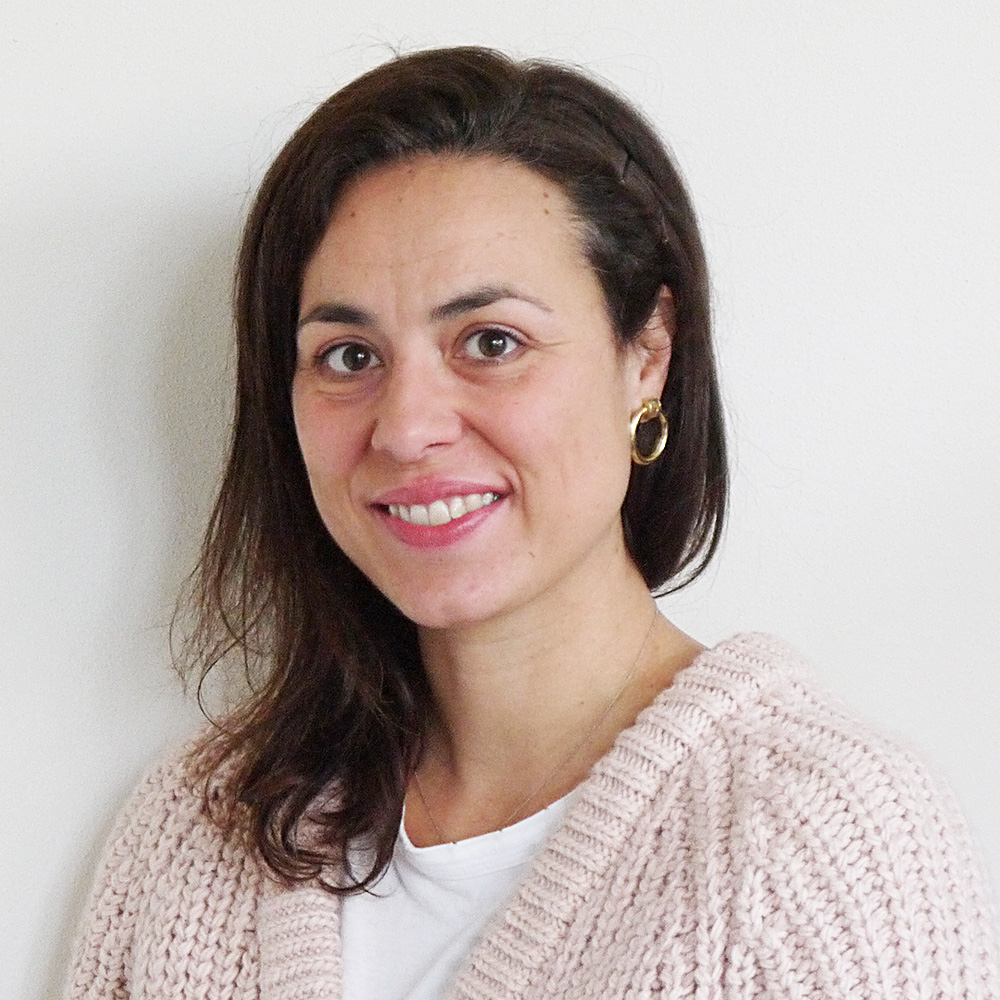
Mara Claudia Algarotti
Training Manager & MW Operations
At the end of the training, you will be able to


Online interactive training on Zoom platform.
LS Academy will provide the access link to the virtual platform a few days before the training.