
A clinical operations director at a contract research organization discovered their newly promoted clinical supervisors were struggling with responsibilities they’d never been trained to handle. These former senior CRAs excelled at site monitoring and protocol compliance but found themselves unprepared for managing junior CRA workloads, conducting performance evaluations, handling escalated site issues, and coordinating resources across multiple simultaneous studies.
The promotion from individual contributor to supervisor represents one of the most challenging transitions in clinical research careers, yet most organizations provide minimal preparation for this leap. Technical expertise in GCP compliance or monitoring procedures doesn’t automatically translate into capability for team leadership, conflict resolution, or strategic resource allocation.
Healthcare training programs addressing these gaps build organizational capability across the complete spectrum of life sciences disciplines. Effective programs recognize that pharmaceutical development, medical device commercialization, and clinical research operations each require distinct knowledge foundations while sharing common needs for leadership development, regulatory expertise, and quality management competencies.
Clinical Supervisor Training Courses
Clinical supervisors occupy the critical middle management layer that determines whether clinical operations run smoothly or struggle with chronic problems. They translate strategic objectives into operational reality, coordinate resources across competing study priorities, develop junior team members, and maintain quality standards while meeting aggressive timelines.
Supervisory training for clinical research professionals must address both the technical aspects of clinical operations oversight and the interpersonal skills required for effective team leadership. Programs covering only GCP updates or monitoring procedures miss the management competencies that separate struggling supervisors from high-performing leaders.
Effective clinical supervisor training starts with role clarity. Many newly promoted supervisors continue spending excessive time on individual contributor activities they know well while neglecting supervisory responsibilities they find uncomfortable or unfamiliar. Training programs help supervisors understand their expanded scope, prioritize management activities appropriately, and delegate technical work to team members.
Team Leadership and Performance Management
Clinical team leadership training addresses the specific challenges of managing geographically dispersed CRAs, coordinating monitoring activities across multiple investigator sites, and maintaining team cohesion when members rarely work together physically. Supervisors learn to build trust remotely, recognize early signs of team member struggle or disengagement, and provide meaningful support despite limited face-to-face interaction.
Performance management in clinical research requires supervisors to evaluate work they cannot directly observe. Site visit reports, monitoring findings documentation, query resolution effectiveness, and investigator feedback provide the objective data supporting fair performance assessment. Training programs teach supervisors to establish clear expectations, document performance consistently, and conduct evaluations that develop team members rather than simply rating past performance.
Difficult conversation training prepares clinical supervisors for the challenging discussions that inexperienced managers often avoid until problems escalate. Supervisors practice addressing underperformance directly but constructively, managing team members who resist feedback, and conducting termination conversations when performance improvement efforts fail.
Resource Allocation and Study Coordination
Clinical study resource management training teaches supervisors to allocate limited monitoring capacity across competing study priorities. Not all studies require identical oversight intensity. Risk-based monitoring approaches demand supervisors who can assess study complexity, site performance history, and protocol-specific risks to deploy resources where they’ll provide maximum value.
Multi-study coordination becomes increasingly complex as sponsors and CROs manage larger portfolios. Supervisors learn to identify resource conflicts before they create problems, negotiate timeline adjustments when team capacity proves insufficient, and communicate realistic capacity constraints to study directors and sponsors.
Cross-functional collaboration training addresses the reality that clinical supervisors must coordinate with data management teams, regulatory affairs specialists, medical monitors, and sponsor representatives. Effective supervisors understand how their decisions impact other functional areas, communicate proactively about issues affecting cross-functional timelines, and build productive working relationships across organizational boundaries.
Escalation Management and Problem Resolution
Clinical supervisors serve as the first escalation point for site issues, protocol questions, and adverse event concerns that field-level CRAs cannot resolve independently. Training programs teach supervisors to assess escalated issues quickly, determine appropriate response strategies, and coordinate resolution involving medical monitors, sponsors, or regulatory authorities when necessary.
Crisis management training prepares clinical supervisors for the high-pressure situations that inevitably arise during complex clinical trials. Serious adverse events requiring immediate reporting, site compliance violations discovered during monitoring visits, and data integrity concerns all demand rapid, thoughtful response from supervisors who may have limited experience handling such situations.
Investigator relationship management at the supervisor level often involves salvaging relationships damaged by monitoring findings, negotiating protocol compliance issues with resistant investigators, or coordinating site remediation plans following regulatory inspections. These delicate situations require both clinical credibility and diplomatic skill that generic management training cannot address.

Medical Device Training Courses
Medical device training requirements differ substantially from pharmaceutical training needs due to fundamental differences in regulatory frameworks, product development pathways, and commercialization strategies. Device professionals need expertise spanning regulatory affairs, quality management systems, clinical evaluation methodologies, and post-market surveillance that pharmaceutical training programs typically don’t cover.
Medical device courses addressing the complete device lifecycle prepare professionals to navigate FDA 510(k) clearance strategies, European MDR compliance requirements, ISO 13485 quality system implementation, and the unique clinical evidence expectations governing device approvals.
Device regulatory training addresses classification determination strategies, substantial equivalence assessments, clinical evaluation report preparation, and post-market surveillance planning. These topics have no pharmaceutical equivalents, requiring specialized training designed specifically for device contexts rather than adapted from pharmaceutical curricula.
Regulatory Affairs for Medical Devices
Device regulatory affairs training covers the distinct approval pathways available for different device classifications. Class I devices often reach market through general controls alone. Class II devices typically require 510(k) clearance demonstrating substantial equivalence to predicate devices. Class III devices generally demand premarket approval with extensive clinical data supporting safety and efficacy.
European MDR training has become essential following the transition from Medical Device Directive to the more stringent MDR framework. Device regulatory professionals need deep understanding of enhanced clinical evaluation requirements, stricter post-market surveillance obligations, and the role of notified bodies in conformity assessment procedures.
Technical documentation training teaches device regulatory professionals to compile comprehensive technical files demonstrating device safety and performance. These files must address design verification and validation, biocompatibility assessment, software validation for devices incorporating software components, and clinical evaluation synthesizing available clinical data.
Quality Management Systems and Design Controls
ISO 13485 training addresses the quality management system requirements specific to medical device manufacturers. While sharing some common elements with pharmaceutical GMP, device quality systems emphasize design controls, risk management, and process validation in ways that differ substantially from pharmaceutical quality requirements.
Design control training covers the systematic approach to device development required by FDA Quality System Regulation and ISO 13485. Participants learn to establish design inputs reflecting user needs and regulatory requirements, conduct design verification confirming devices meet specifications, perform design validation ensuring devices satisfy user needs in actual use environments, and maintain design history files documenting development decisions.
Risk management training addresses ISO 14971 application throughout the device lifecycle. Device professionals learn to conduct design-phase risk analysis identifying potential hazards, implement risk controls reducing risks to acceptable levels, and maintain post-market risk management demonstrating ongoing safety monitoring.
Clinical Evidence and Post-Market Surveillance
Clinical evaluation training for device professionals addresses one of the most challenging aspects of device regulation. Unlike pharmaceutical clinical trials with standardized Phase I-III development pathways, device clinical evidence requirements vary dramatically based on device classification, intended use, and novelty. Training programs teach participants to determine appropriate clinical evidence strategies, conduct literature reviews satisfying regulatory expectations, and compile clinical evaluation reports supporting device safety and performance claims.
Post-market surveillance training prepares device professionals to establish vigilance systems satisfying global reporting requirements. Participants learn to recognize reportable incidents, determine appropriate reporting timelines across different jurisdictions, investigate device-related adverse events, and prepare incident reports addressing regulatory authority information requirements.
Field safety corrective action training covers the regulatory requirements governing device corrections and removals. Device professionals learn to evaluate whether field actions require regulatory notification, prepare field safety notices satisfying authority requirements, and coordinate recall activities across multiple jurisdictions while maintaining business continuity.
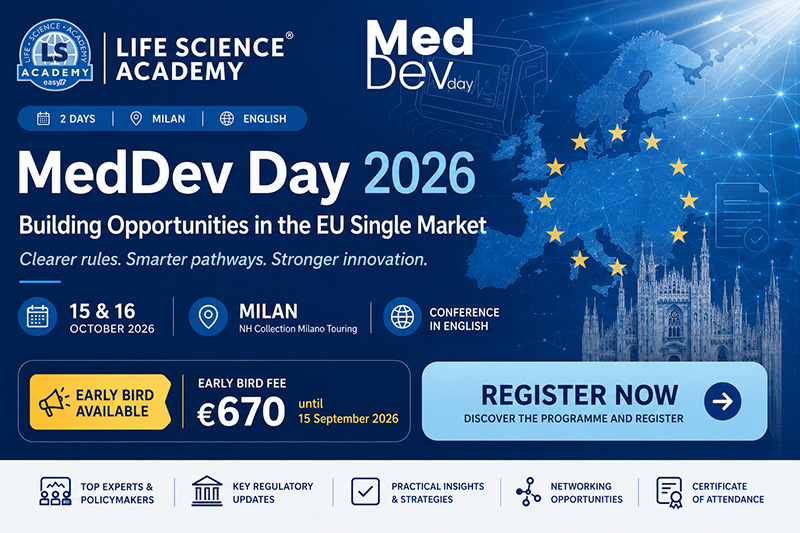
Integrated Healthcare Training Strategies
Healthcare organizations achieve maximum training impact through integrated strategies addressing both individual competency development and organizational capability building. Isolated training courses targeting single topics or individual employees provide limited value compared to comprehensive programs developing organizational expertise systematically.
Clinical research training courses complement device-specific training by building broader clinical development capabilities. Organizations conducting both pharmaceutical and device trials benefit from teams understanding the fundamental differences between drug and device development while recognizing common best practices applicable across both domains.
Custom training program development starts with thorough needs assessment examining current organizational capabilities, upcoming project requirements, and strategic growth objectives. LS Academy works collaboratively with pharmaceutical companies, medical device manufacturers, contract research organizations, and academic medical centers to design training addressing real business challenges rather than generic competency frameworks.
Training delivery flexibility accommodates diverse learning preferences and operational constraints. Intensive workshop formats work well for rapid skill development before major project launches. Extended programs with spaced learning sessions allow participants to apply concepts to ongoing work and receive feedback on practical implementation. Virtual delivery enables consistent training across geographically distributed teams while minimizing travel costs and time away from operational responsibilities.
Faculty Expertise and Industry Credibility
Healthcare training effectiveness depends heavily on instructor expertise and industry credibility. LS Academy’s faculty includes former regulatory agency reviewers, clinical operations directors from major pharmaceutical companies, device regulatory affairs specialists, and quality system experts who bring practical insights from years of industry experience.
Faculty members maintain active involvement in professional associations, regulatory working groups, and industry conferences. This ongoing engagement ensures training content reflects current regulatory expectations, emerging best practices, and evolving technology capabilities rather than outdated approaches or theoretical concepts disconnected from operational reality.
Real-world case studies drawn from actual industry situations provide learning experiences that purely theoretical training cannot replicate. Participants work through scenarios based on successful implementations, common operational challenges, and lessons learned from both high-performing and problematic projects.
With extensive experience delivering training across life sciences sectors and proven methodologies refined through hundreds of programs, LS Academy brings comprehensive expertise to every custom training initiative. The collaborative approach consistently produces measurable improvements in team performance, regulatory compliance, and operational effectiveness.
Life sciences organizations seeking to strengthen their healthcare training programs and build sustainable competitive advantages through workforce development can contact LS Academy to explore specialized training solutions designed specifically for the unique demands of pharmaceutical development, medical device commercialization, and clinical research operations.