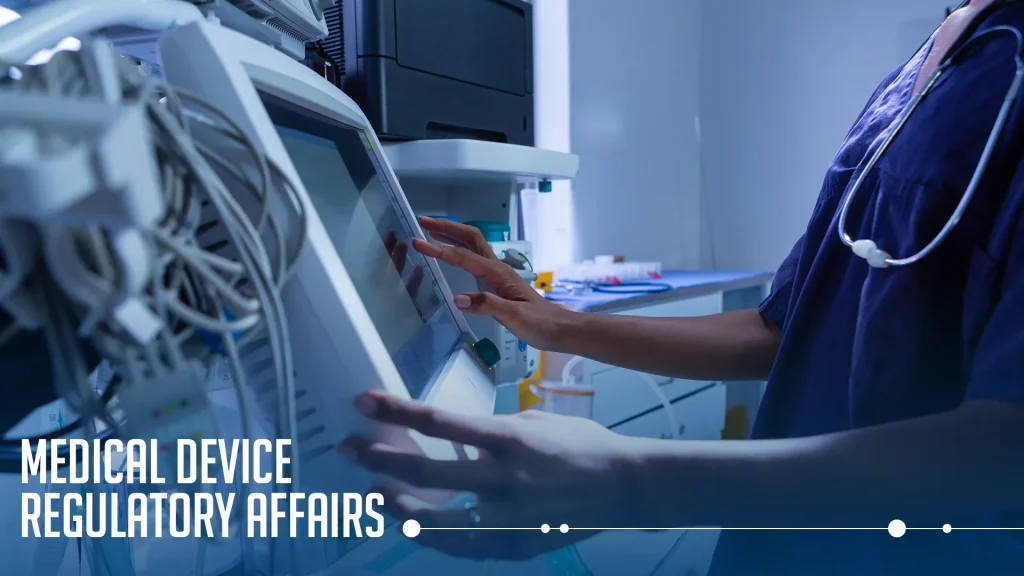
Medical device regulatory teams face a compliance landscape that has transformed dramatically over the past five years. European MDR implementation fundamentally altered clinical evaluation expectations, post-market surveillance requirements, and technical documentation standards. Companies that invested in specialized regulatory training navigated these changes efficiently, while those relying on generic compliance knowledge struggled with prolonged approval timelines and costly submission revisions.
Device regulation differs dramatically from pharmaceutical regulation in approval pathways, post-market requirements, and quality system expectations. Teams trained primarily in drug regulation struggle with device-specific concepts like substantial equivalence, predicate device selection, and performance evaluation standards that have no pharmaceutical equivalent.
Medical device regulatory professionals must master multiple global regulatory frameworks simultaneously. A single device launch typically requires navigating FDA requirements, European MDR provisions, Japanese PMDA expectations, and various other national regulations, each with distinct submission formats, timelines, and clinical evidence requirements.
What is Regulatory Affairs in Pharma Industry
Regulatory affairs in the pharmaceutical industry centers on drug approval and lifecycle management through complex clinical development programs and stringent manufacturing controls. Pharmaceutical regulatory professionals guide products through extensive Phase I-III clinical trials, prepare comprehensive New Drug Applications documenting safety and efficacy, and maintain ongoing regulatory compliance through pharmacovigilance and manufacturing quality systems.
The pharmaceutical regulatory pathway follows relatively standardized progression from preclinical studies through clinical development phases to marketing authorization. Regulatory professionals coordinate investigational new drug applications, oversee clinical trial authorizations across multiple countries, and compile registration dossiers containing exhaustive clinical, nonclinical, and manufacturing data.
Post-approval pharmaceutical regulation focuses heavily on pharmacovigilance systems that monitor adverse drug reactions, manufacturing compliance through current Good Manufacturing Practice inspections, and lifecycle management activities like supplemental applications for new indications or manufacturing changes.
Key Differences in Device vs. Drug Regulation
Medical device regulation diverges significantly from pharmaceutical regulation in fundamental ways that require distinct regulatory expertise. Device approval pathways emphasize demonstrated safety and performance rather than the extensive clinical efficacy data required for drugs. Many devices reach market through equivalence-based pathways like FDA 510(k) clearance rather than the premarket approval process required for most new drugs.
Clinical evidence requirements differ dramatically between devices and pharmaceuticals. Device submissions often rely on existing literature, bench testing, and limited clinical data rather than the large-scale randomized controlled trials mandatory for drug approvals. Post-market clinical follow-up studies frequently replace extensive premarket clinical investigations for certain device classifications.
Quality system regulations for devices focus on design controls, risk management, and manufacturing process validation rather than the detailed chemical manufacturing controls required for pharmaceuticals. Device manufacturers must demonstrate design validation through comprehensive verification and validation protocols addressing intended use environments and user populations.
Medical Device Regulatory Affairs Consulting
Medical device companies increasingly rely on specialized regulatory consulting as regulatory complexity outpaces internal capability development. Consulting support proves particularly valuable during market entry planning, submission strategy development, and regulatory crisis management when internal teams lack specific expertise or bandwidth.
Regulatory strategy consulting helps device companies navigate optimal approval pathways across multiple jurisdictions. Consultants assess clinical data requirements, recommend submission strategies balancing time-to-market with regulatory risk, and coordinate parallel submissions that maximize global launch efficiency.
Submission preparation consulting addresses the tactical aspects of regulatory filings. Experienced consultants prepare technical documentation, compile clinical evaluation reports, and draft regulatory correspondence that addresses authority expectations while presenting product information persuasively.
Pre-submission Strategy and Gap Analysis
Pre-submission consulting identifies regulatory gaps before companies invest in expensive clinical studies or technical testing that may not satisfy authority requirements. Consultants review existing data packages, identify additional evidence needed for target markets, and recommend efficient strategies for closing data gaps.
Market access timing analysis helps companies prioritize regulatory submissions based on commercial importance, approval timelines, and resource constraints. Regulatory consultants develop realistic submission schedules accounting for authority review times, potential review cycles, and strategic launch sequencing.
Classification strategy consulting addresses the increasingly complex question of appropriate device classification and regulatory pathway selection. Borderline products combining device and drug characteristics, software-driven medical devices, and novel technologies often require sophisticated regulatory interpretation to determine optimal classification strategies.
Post-Market Compliance and Lifecycle Management
Post-market regulatory consulting supports ongoing compliance obligations that continue long after initial device approval. Consultants help companies establish vigilance systems satisfying multiple jurisdictional requirements, manage design change notifications, and coordinate responses to regulatory inspections or authority inquiries.
Regulatory intelligence services keep device companies informed about evolving regulatory requirements, emerging guidance documents, and enforcement trends across global markets. This information enables proactive compliance adjustments rather than reactive scrambling when new requirements take effect.
Crisis management consulting provides rapid response capabilities when serious regulatory issues emerge. Consultants coordinate recall management, handle authority communications during urgent safety situations, and develop remediation strategies that restore regulatory compliance while minimizing business disruption.
Building Internal Regulatory Capabilities
While consulting provides valuable expertise for specific projects or temporary capacity needs, building strong internal regulatory capabilities remains essential for sustained device company success. Companies that invest in comprehensive regulatory training develop teams capable of handling routine submissions independently while recognizing when specialized consulting support provides value.
Medical device training programs addressing regulatory affairs fundamentals create organizational baseline competency that reduces dependency on external consultants for routine regulatory activities. Internal teams with solid training foundation work more effectively with consultants by asking informed questions, providing necessary background information efficiently, and implementing consultant recommendations appropriately.
Specialized regulatory training addresses the unique aspects of device regulation that pharmaceutical-trained professionals often lack. Programs cover device classification systems, essential principles applicable to medical devices, conformity assessment procedures under MDR, and risk management application per ISO 14971.
Regulatory Submission and Technical Documentation
Regulatory submission training teaches device professionals to prepare compliant technical documentation addressing authority requirements across multiple jurisdictions. Participants learn to compile comprehensive technical files demonstrating device safety and performance through appropriate combination of bench testing, clinical data, and post-market surveillance information.
Clinical evaluation training addresses one of the most challenging aspects of device regulation. Regulatory professionals learn to conduct literature searches satisfying authority expectations, evaluate clinical data quality and relevance, and compile clinical evaluation reports supporting claimed device performance and safety.
Labeling and instructions for use training ensures regulatory professionals understand complex requirements governing device labeling, symbols, warnings, and user instructions. Proper labeling prevents post-market field actions and supports safe device use by intended user populations.
Quality Management Systems and Design Controls
Quality system training for regulatory professionals addresses the intersection between regulatory compliance and quality management. Participants learn how design control processes generate documentation supporting regulatory submissions, how quality system records demonstrate ongoing compliance, and how post-market quality data informs regulatory reporting obligations.
Design control training covers the systematic approach to device development required by quality system regulations. Regulatory professionals learn to establish design inputs reflecting user needs and regulatory requirements, conduct design verification and validation activities generating submission-ready data, and maintain design history files documenting development decisions.
Risk management training addresses ISO 14971 application throughout device lifecycle. Regulatory professionals learn to conduct design-phase risk analysis, implement risk controls satisfying regulatory expectations, and maintain post-market risk management processes demonstrating ongoing safety monitoring.
Post-Market Surveillance and Vigilance
Post-market surveillance training prepares regulatory teams to establish systems satisfying global vigilance requirements. Participants learn to recognize reportable incidents, determine appropriate reporting timelines across different jurisdictions, and prepare incident reports addressing authority information requirements.
Periodic safety update report training addresses the ongoing obligation to compile and analyze post-market safety data. Regulatory professionals learn to evaluate trends in device performance, identify signals requiring investigation or corrective action, and prepare comprehensive safety summaries for authority review.
Field safety corrective action training covers the regulatory requirements governing device corrections and removals. Participants learn to evaluate whether field actions require regulatory notification, prepare field safety notices satisfying authority requirements, and coordinate recall activities across multiple jurisdictions.
Developing Regulatory Excellence
Medical device companies that invest systematically in regulatory capability development experience measurable benefits in submission success rates, approval timelines, and inspection outcomes. Organizations combining strategic consulting support with comprehensive internal training create sustainable competitive advantages in increasingly complex regulatory environments.
With 988 training programs delivered and 14.454 professionals trained across the life sciences sector, LS Academy brings extensive experience developing regulatory training that addresses both foundational competencies and specialized expertise. Custom programs incorporate company-specific products, target markets, and regulatory challenges while building capabilities that reduce long-term consulting dependency.
Medical device companies seeking to strengthen their regulatory affairs capabilities and accelerate market access can contact LS Academy to explore specialized training solutions designed specifically for the unique demands of device regulation and global compliance requirements.