

Introduzione
Writing for a lay audience is one of the toughest challenges in science communication, and one of the most important. But it is also a necessity nowadays, for regulatory requirements.
Whether you're writing patient-facing materials, lay summaries for regulators, or science news for the public, this workshop will help you write with greater clarity, confidence, and impact.
Through practical examples and hands-on activities, you’ll learn how to simplify complex ideas without oversimplifying, use readability tools to assess your content, and adopt strategies to improve understanding and engagement.
You’ll also explore what “readability” really means, how to measure it, and how to apply best practices in structure, language, and visual design. This course is a must for anyone who needs to communicate science outside of expert circles.
Write clearly. Reach more people. Make your message matter.
Programma
In this workshop, we will:
- Define ‘readability’ and consider what influences readability
- Consider the importance of readability
- Review ‘best practice’ tactics to improve readability: good sentence construction, familiar words, typography, ways to communicate numbers and risk, things to avoid and much more
- Consider the best approach to writing a lay text
- Explore quantitative ways to measure readability: readability formulas and statistics
- Critically assess the use of readability statistics
- Review other tools designed to analyse text and improve readability
Practical elements of the workshop will include:
- Analysis of participants’ own writing using readability statistics
- Critique of poorly written material – how readability could be improved
- Critique of well-written lay summaries – how readability has been achieved
Docente/i
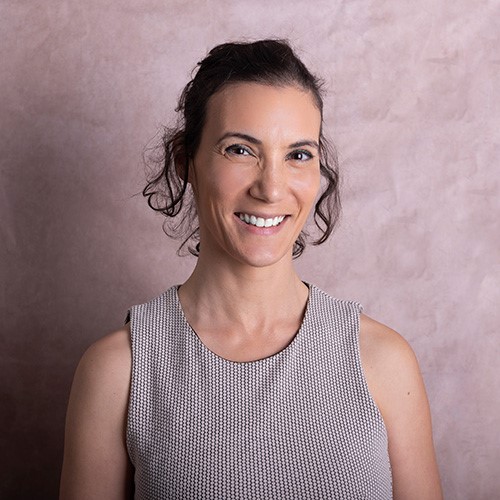
Diana Ribeiro
Diana started her career as a pharmacy technician, then completed her training as a pharmacist in the Faculty of Pharmacy of the University of Lisbon. She also obtained a post-graduate degree in Phytotherapy and a professional certification as a Clinical Research Associate.
After working in healthcare for more than 15 years, Diana became a freelance medical writer in 2019, working on both medical communications and regulatory documents.
To keep updated with the latest developments and further her knowledge in the medical writing and regulatory areas, Diana is an active member of both the European Medical Writing Association (EMWA) and the Regulatory Affairs Professionals Society (RAPS).
She is also a member of the Association of Health Care Journalists (AHCJ), where she gains valuable insights about communicating with the public.
Informazioni utili
The course will take place online on Zoom platform.
It will be activated in live online mode once a minimum number of interested people has been reached.
Registration Fee
Early Bird: € 490,00*
Ordinary: € 620,00*
Freelance – Individual – Academy – Public Administration: € 390,00*
* for Italian companies: +22% VAT
The fee includes: tuitions, organizational office assistance, teaching materials and attendance certificate that will be sent after the training via e-mail.
A chi è rivolto
This workshop is for those of you who want to learn more about readability, particularly when your role involves writing about science for a nonexpert audience.
Participant experience
Participants should have some experience of writing and editing scientific texts but do not need specialised knowledge.
Tecniche didattiche
The workshop is intended to be a ‘two-way’ learning and discussion experience; questions and subsequent discussion are welcome at any time during the workshop.
Il corso verrà avviato in modalità live non appena raggiunto un numero minimo di partecipanti. Lascia i tuoi dati per essere contattato non appena il corso sarà disponibile.
Cosa saprai fare dopo il corso
